If storm water got into a Crosby home or business and the walls or floors stayed wet for more than a day or two, the next step after drying is a mold assessment and, where growth is found, removal under a written Texas protocol. A separate company does the cleanup from the one that plans and clears it. Call the number on this page to be connected with a local mold remediation company in Crosby.
Has water caused trouble in Crosby before?
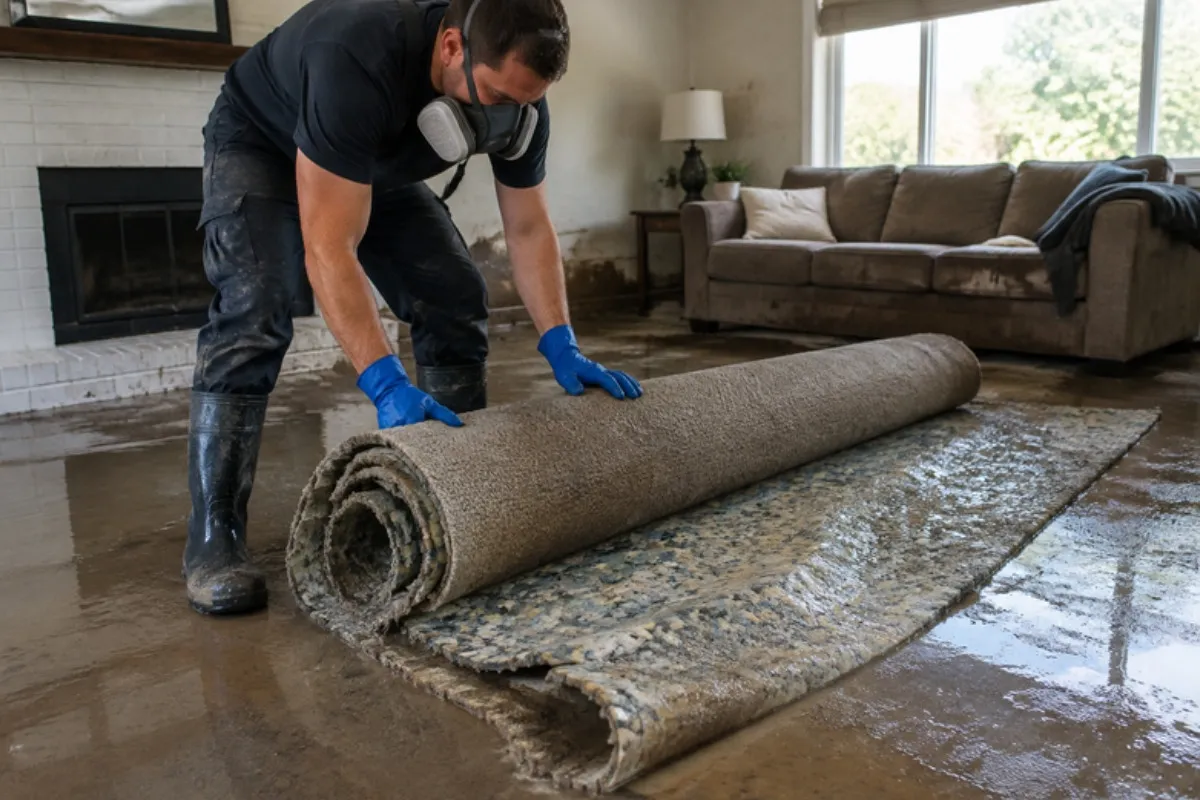
Yes. Crosby is a small unincorporated community in east Harris County, about 25 miles from downtown Houston, that began as an 1820s settlement and grew as a railroad shipping point for lumber and farm goods. In October 2015, the Harris County Flood Control District measured about 13 inches of rain, and businesses at a Crosby shopping center flooded with more than four inches of water on their floors. A few inches sounds minor, but it is enough to wet the bottom of drywall, soak carpet and wick up into wall cavities, and the humid weather after a storm slows drying. The same is true in homes off U.S. Route 90, Hare Road or Miller-Wilson Road.
What gets removed and what can stay?
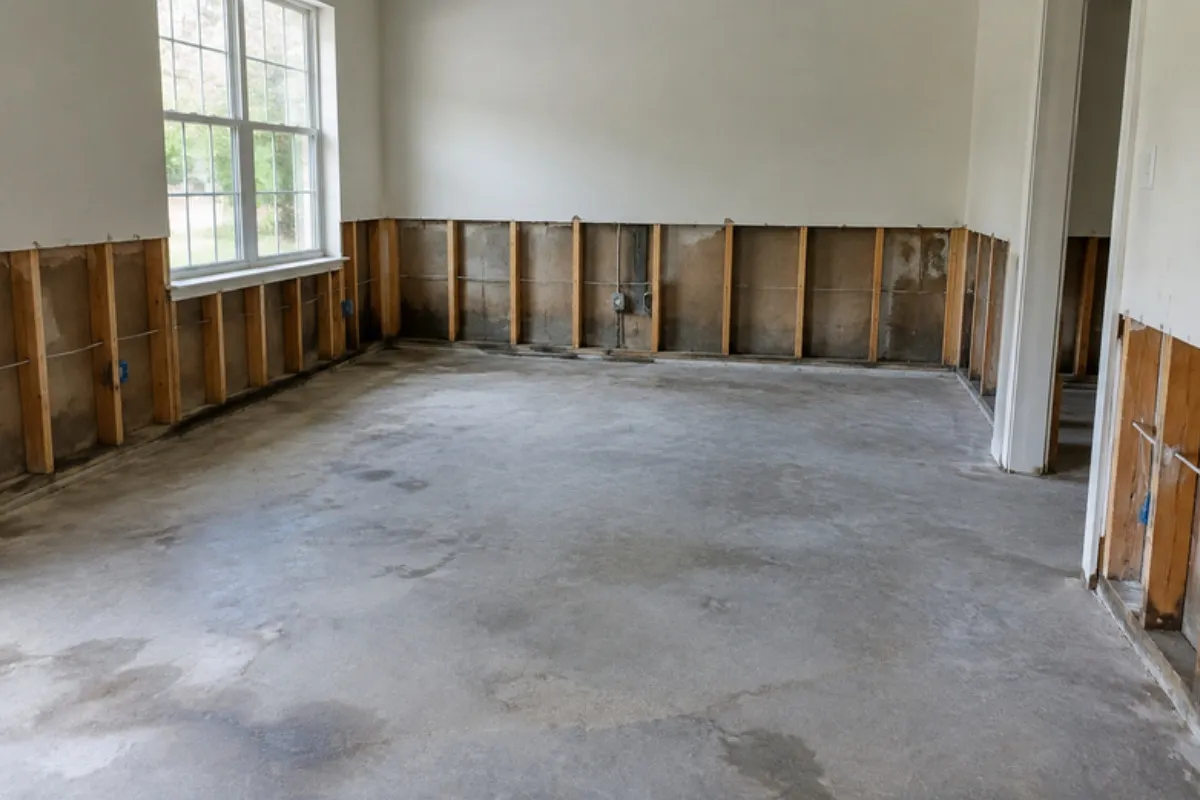
Hard surfaces such as tile, metal and sealed concrete can usually be cleaned in place. Porous materials are another story. EPA notes they may need to be thrown away once moldy, so soaked carpet and pad, insulation and the lower part of the drywall usually come out. Studs and bottom plates are cleaned and dried rather than replaced unless they are rotted. Exactly how much goes is set in the mold assessment consultant's protocol, which lists the rooms, quantities and methods, and the remediation company must follow it.
Who handles permits and paperwork in Crosby?
Because Crosby is unincorporated, rebuilding falls under the Harris County Office of the County Engineer. Tearing out damaged materials does not need a demolition permit there, but putting the walls back does, and work in the 100-year floodplain needs drawings sealed by a Texas architect or engineer. On the mold side, a project of 25 contiguous square feet or more must be reported to TDLR five days before it starts. After the work, the consultant's post-remediation assessment checks clearance, and you receive a Certificate of Mold Damage Remediation within 10 days.
A Crosby note on businesses
Shops and offices follow slightly different rules than homes. For non-residential property, owners and tenants are exempt from the TDLR license only when the contamination is under 25 contiguous square feet; above that, a company that holds a TDLR mold remediation license must do the work. A flooded storefront usually passes that size, so plan for a consultant and a remediation company from the start.
Post-Flood Mold Removal questions in Crosby
Can I pull out wet drywall and carpet myself?
Do I need a permit to rebuild after flood damage?
Who should stay away from flood cleanup?
What happens if the clearance check fails?
More mold services in Crosby
Post-Flood Mold Removal nearby
Sources
- EPA: Homeowner's and Renter's Guide to Mold Cleanup After Disasters (pdf)
- EPA: Mold Cleanup in Your Home
- TDLR: Mold Assessors and Remediators FAQs
- TDLR: Texas Mold Remediation Notification Requirements
- 16 Tex. Admin. Code 78.150: Photographs; Certificate of Mold Damage Remediation; Duty of Property Owner
- Harris County Office of the County Engineer: Permits FAQ
- Star-Courier: Tornado hits Highlands, flooding in Crosby
- Wikipedia: Crosby, Texas
Last updated: