AC and duct mold removal in Richmond means finding why the system stays wet, then cleaning or replacing the coil, pan, ducts or grilles that grew mold under a written Texas protocol. In homes that flooded from the Brazos, ductwork in the floor or low walls may need extra attention. Call the number on this page to be connected with a local mold remediation company in Richmond.
Our house flooded from the Brazos. Could the ducts still hold mold?
It is possible. In the Memorial Day 2016 flood the Brazos reached a record 54.37 feet at Richmond, and about 200 Richmond homes were damaged again during Harvey, with the Edgewood subdivision off Hwy. 90 flooding both times. Fort Bend County counted about 1,200 homes affected in 2016 across Richmond, Rosenberg and unincorporated areas. Duct boots, returns and an air handler that sat in water but were dried and put back into use can hold growth out of sight. EPA's disaster guidance says to assume mold when a home could not be dried within 24 to 48 hours, which is why flood-soaked ducts are often replaced rather than cleaned.
We never flooded. Why would the AC grow mold?
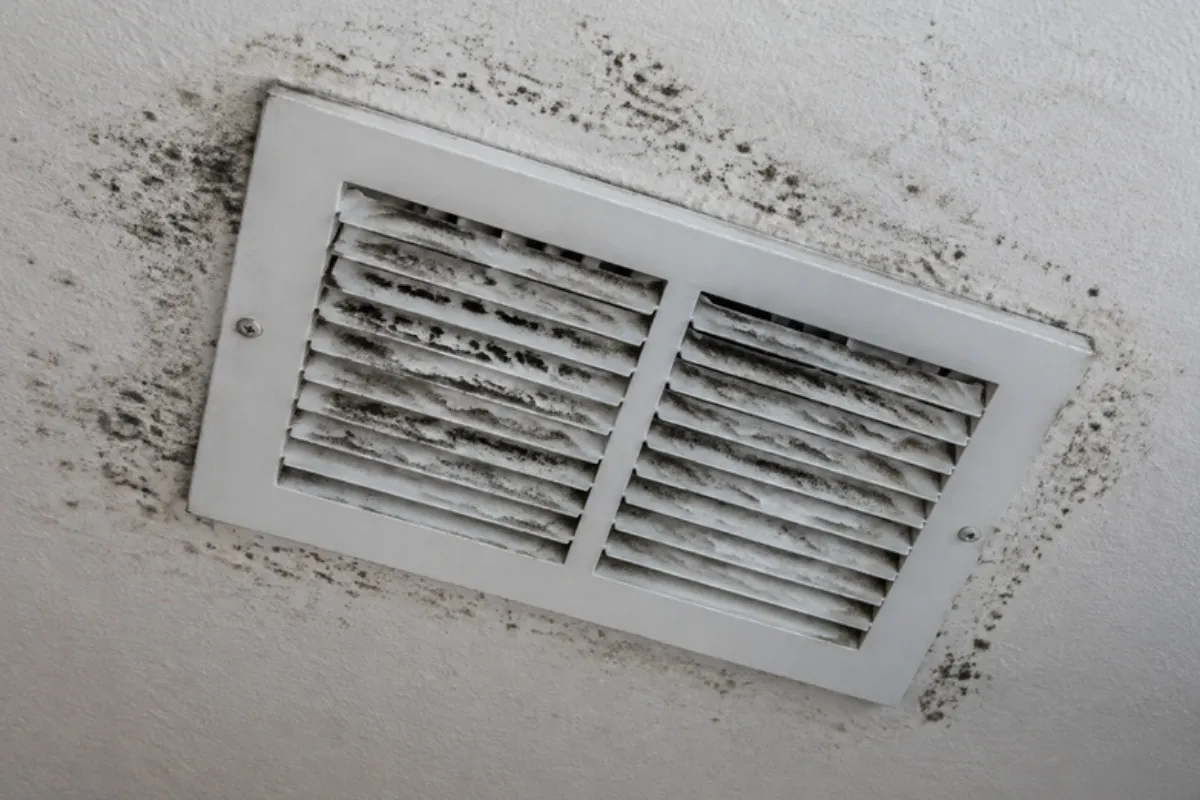
Condensation does it. Richmond's long cooling season keeps the coil wet for months, and a slow or clogged drain line leaves water standing in the pan. Ducts running through a hot attic sweat when their insulation is torn or compressed, and supply grilles drip when indoor humidity runs high. An oversized unit that short-cycles adds to the problem because it cools without pulling much moisture from the air. The usual clues are dark rings on ceiling grilles, a musty burst at startup and water stains below the attic unit.
How is the work handled under Texas law?
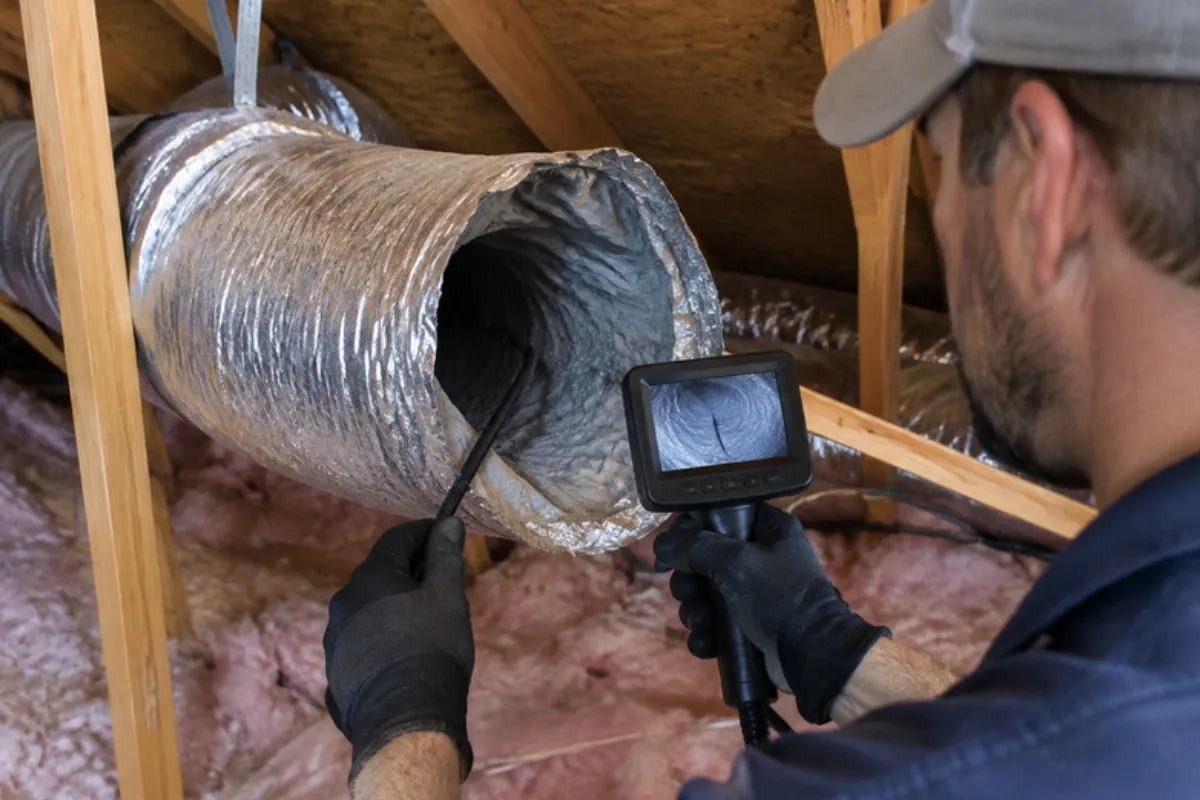
A mold assessment consultant inspects the system and writes a protocol naming what will be cleaned or removed, the containment and the clearance criteria. A different company, holding a TDLR mold remediation license, does the work, because Texas does not allow one company to do both on the same project. After the post-remediation assessment passes, you receive a Certificate of Mold Damage Remediation. Both names can be checked on TDLR's license search before anyone starts.
A Richmond note
New ducts, a replacement air handler or drywall around a register may need a permit from the City of Richmond Building Department at the City Hall Annex, 600 Morton Street, through the MGO Connect portal. Renters whose landlord leaves a leak or failing unit unrepaired can contact the city's Code Enforcement Department at the same address, (281) 342-0559. Fort Bend County Health & Human Services does not take mold complaints. If the protocol calls for a new air handler, ask the HVAC contractor who pulls that permit, since the equipment swap and the mold work are separate jobs.
AC & Air Duct Mold Removal questions in Richmond
Our ducts took floodwater. Can they be saved?
Can flexible duct be cleaned, or does it have to go?
My rental's AC smells musty. What can I do in Richmond?
What paperwork should I get when the job is finished?
More mold services in Richmond
AC & Air Duct Mold Removal nearby
Helpful guides
Sources
- EPA: Homeowner's and Renter's Guide to Mold Cleanup After Disasters (pdf)
- EPA: Should You Have the Air Ducts in Your Home Cleaned?
- TDLR: Mold Assessors and Remediators FAQs
- TDLR: License Search
- 16 Tex. Admin. Code 78.150: Photographs; Certificate of Mold Damage Remediation; Duty of Property Owner
- Tex. Prop. Code 92.052: Landlord's Duty to Repair or Remedy
- TexasLawHelp: Mold and Renter's Rights in Texas
- Fort Bend County Health & Human Services: Environmental Health service area
- Community Impact: Fort Bend County recuperates, cleans following Memorial Day weekend floods (2016)
- Insurance Journal: Brazos River at record level in Richmond (2016)
- Community Impact: Post-Harvey, Brazos neighbors back to square one after 2016 floods
- City of Richmond: Building Department
- City of Richmond: Code Enforcement
Last updated: