After Cypress Creek floods a home in Spring, mold removal means opening walls and floors to reach the wet materials, removing what cannot be saved and cleaning the framing, once the house is drying. A mold assessment consultant writes the scope and a separate company does the removal. Call the number on this page to be connected with a local mold remediation company in Spring.
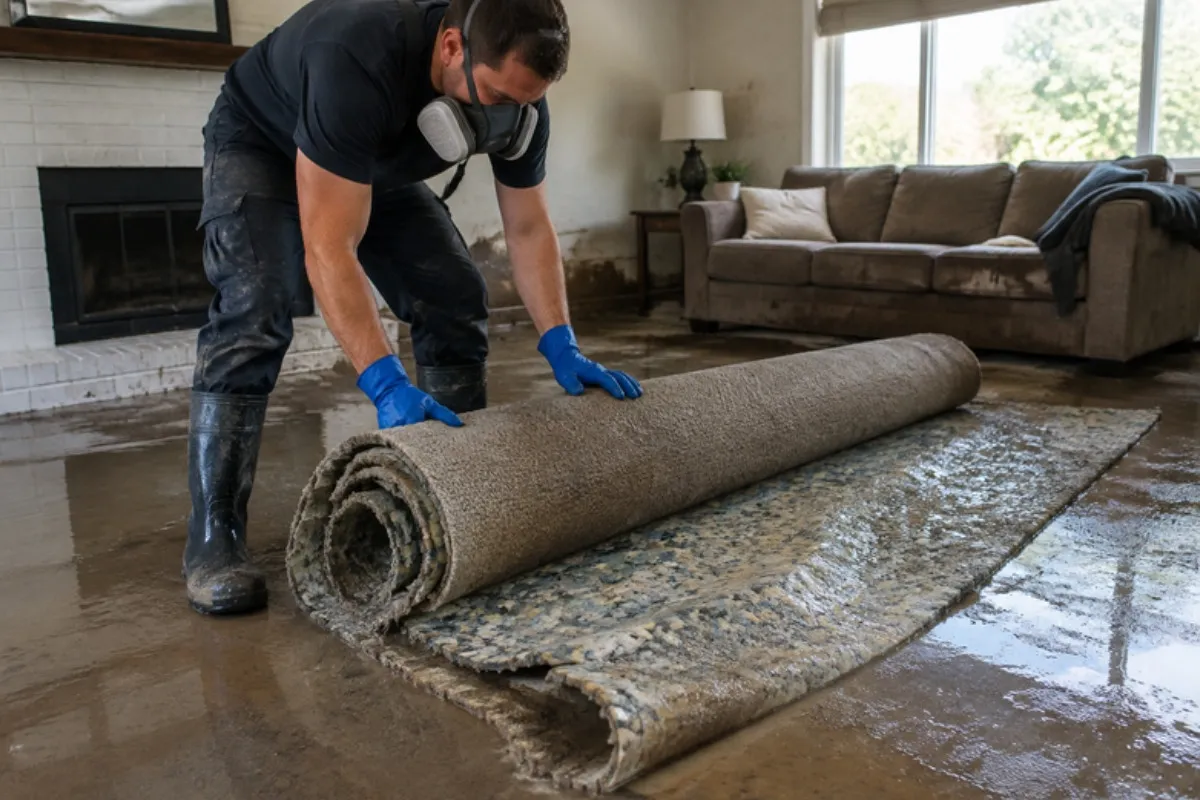
Cypress Creek and Spring
Spring is an unincorporated community in north Harris County, about 19 miles from downtown Houston, that grew after the 1970s as subdivisions spread north, with Old Town Spring as its historic core. Many homes were built on low ground along Cypress Creek. In the April 2016 Tax Day Flood, about 1,700 homes along Cypress Creek flooded, and some homes in north Harris County that flooded in April took water again in the Memorial Day storm. In Hurricane Harvey more than 8,700 homes along the creek took on water. Inverness Forest and Northwood Pines were damaged, Lemm Elementary flooded, and Ponderosa Forest, Westador, Champion Forest and Wimbledon Champions were among the hardest-hit Spring-Klein neighborhoods.
Visible mold vs hidden mold
| Visible growth | Hidden growth | |
|---|---|---|
| Where | Wall faces, baseboards, furniture | Inside wall cavities, under flooring, behind cabinets |
| How it is found | Looking | Moisture readings, odor, opening walls where the protocol calls for it |
| Testing needed? | EPA says sampling is usually unnecessary | An assessment helps set how far to cut |
| Risk if missed | Low, it gets cleaned | High, it keeps growing after new drywall goes up |
Hidden growth is the reason the assessment matters in repeat-flood neighborhoods: a wall closed over wet framing in 2016 may still be a problem. If your Spring home flooded in both 2016 and 2017, tell the consultant which walls were opened each time and which were only dried in place, so the protocol can account for older damage as well as the latest water.
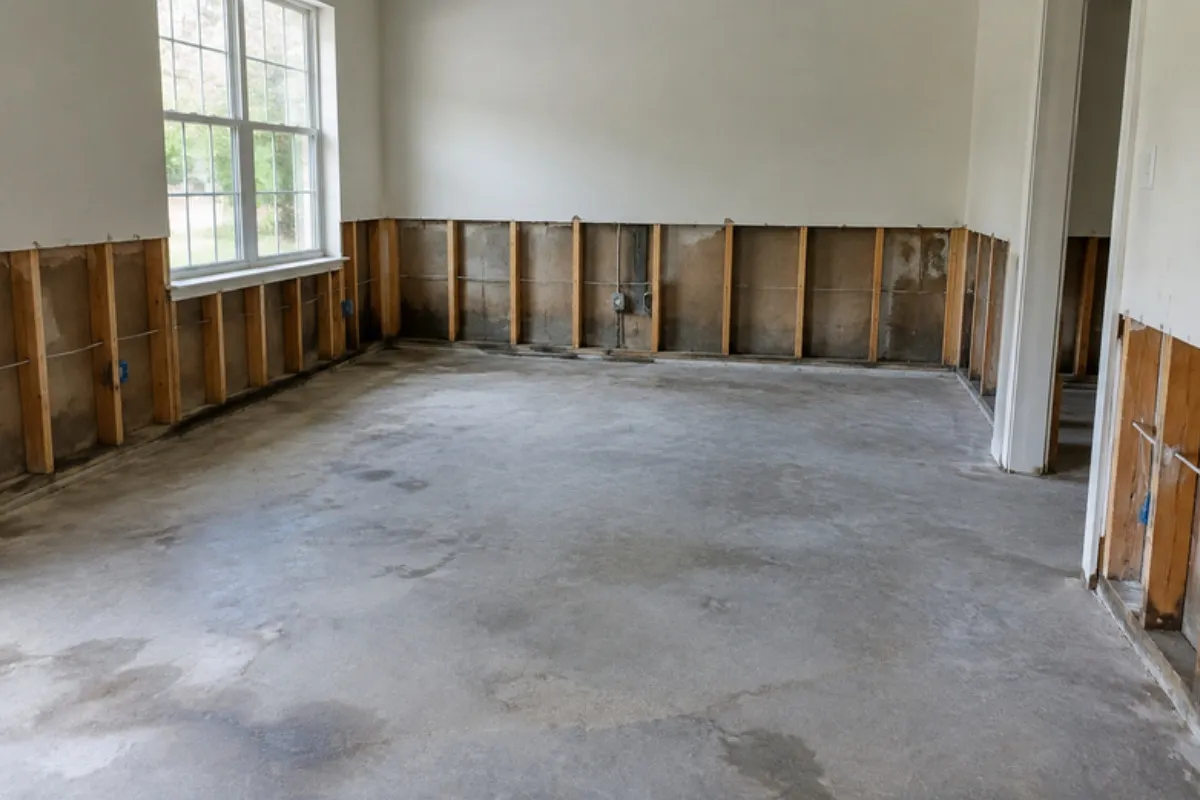
Signs after a creek flood
- Odor that is strongest near the floor or inside closets
- Baseboards that have pulled away from the wall
- Tack strip and carpet pad that are dark or crumbling
- Earlier repairs from a previous flood showing new stains
Timing
EPA says to assume mold growth in a flooded home that could not be dried within 24 to 48 hours. Dry first, then plan the mold work; the consultant's protocol comes at least a day before removal. Rebuilding is permitted by the Harris County Office of the County Engineer. You can look up the FEMA floodplain for an address on the Harris County Flood Education Tool before deciding how to rebuild.
Post-Flood Mold Removal questions in Spring
Is mold testing needed when the flood damage is obvious?
Water got in even though we are outside the mapped floodplain. Could there still be mold?
Does insurance pay for mold removal after a flood?
How soon after floodwater gets in does mold start?
More mold services in Spring
Post-Flood Mold Removal nearby
Helpful guides
Sources
- EPA: Homeowner's and Renter's Guide to Mold Cleanup After Disasters (pdf)
- EPA: Mold Information Slideshow (testing and sampling)
- TDLR: Mold Assessors and Remediators FAQs
- 16 Tex. Admin. Code 78.150: Photographs; Certificate of Mold Damage Remediation; Duty of Property Owner
- Harris County Office of the County Engineer: Permits FAQ
- Harris County Flood Education Tool
- Harris County Flood Control District: Spring Floods 2016
- Community Impact: Spring, Klein recover from flood damage along creeks
- Community Impact: Flooding to remain reality for many Spring, Klein homes along Cypress Creek
- Wikipedia: Spring, Texas
Last updated: