Post-flood mold removal in New Caney means removing what the water ruined, cleaning the structure and getting written clearance before you rebuild. A mold assessment consultant writes the protocol and a separate company that holds a TDLR mold remediation contractor license does the removal, as Texas law requires. Call the number on this page to be connected with a local mold remediation company in New Caney.
Is New Caney really at risk of flooding?
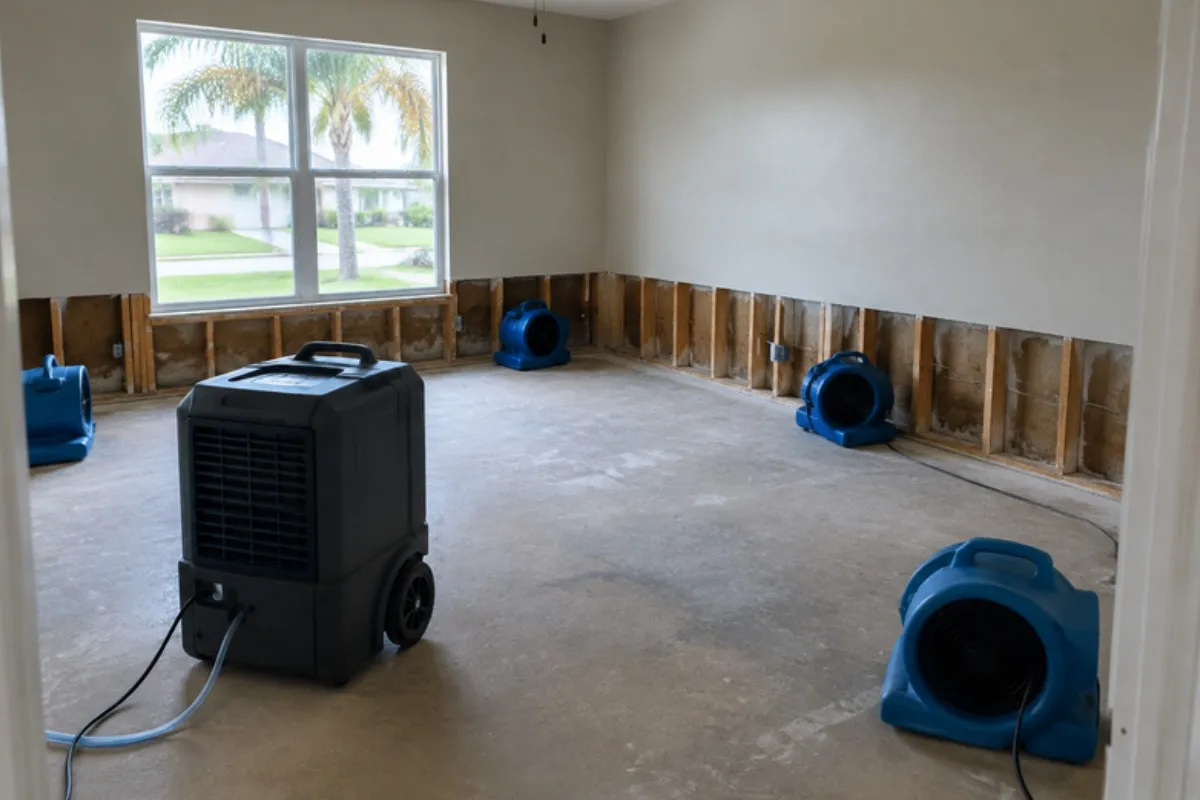
Parts of it are. The community grew along Caney Creek, starting in 1862 as Presswood and taking the New Caney name in 1882, and creeks in this part of Montgomery County can rise fast. In May 2024, heavy rain to the north flooded the Lake Houston area, and New Caney residents were pointed to the Montgomery County Disaster Recovery hotline for help. Montgomery County's floodplain rules identify special flood hazard areas and treat floodways as extremely hazardous because of how fast the water moves there. Even outside a mapped zone, a slow-moving storm on flat, clay-heavy ground can push water under doors.
What should happen before anyone tears out walls?
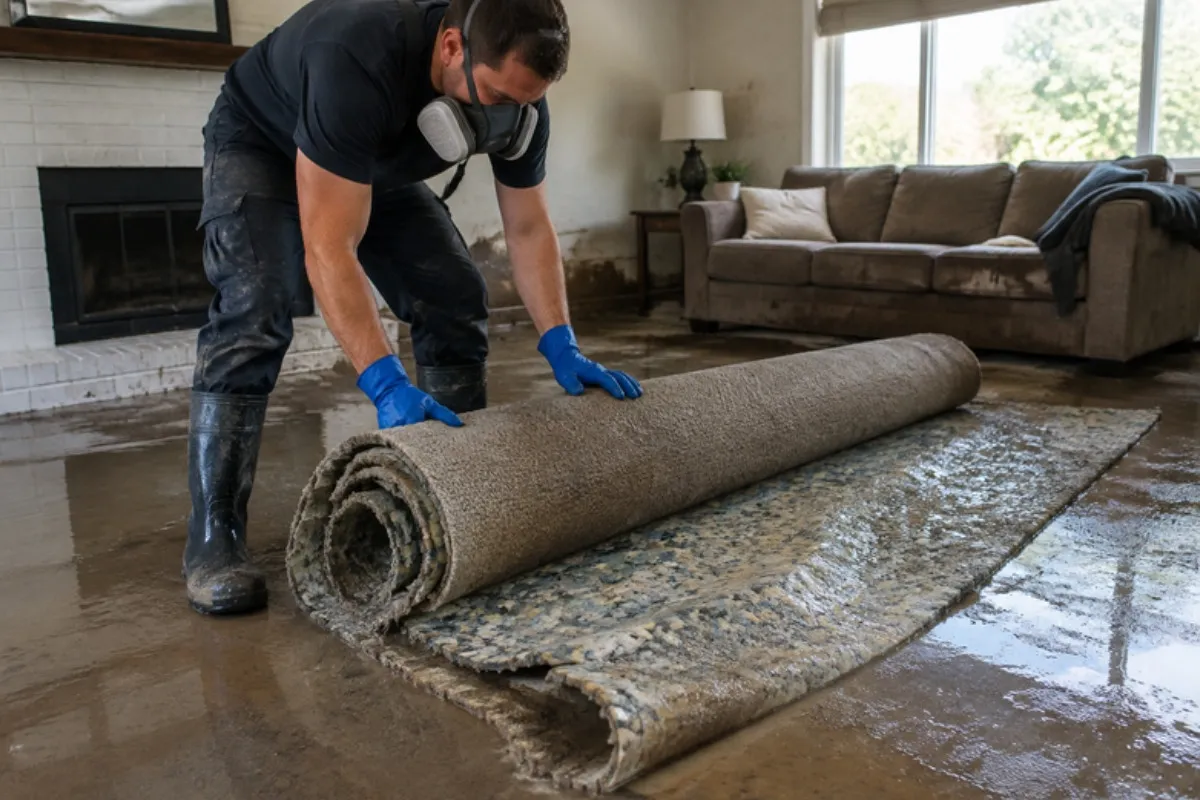
Stop any active water and start drying; that step comes first and is separate from mold removal. Photograph the waterline and damaged rooms. Keep children out of the cleanup, and wear at least an N-95 respirator if you handle soaked debris. Leave the AC off if the air handler or ducts took water. Then have a mold assessment consultant document the damage and write the protocol, which tells the remediation company what comes out, how the area is contained and what counts as clear. If you do your own tear-out, Texas allows it in your own home.
Will I need a county permit to rebuild?
New Caney is unincorporated, so building matters go to the Montgomery County Permit Department under Environmental Health at 501 N. Thompson in Conroe, which also lists an East Montgomery County phone line. The county's FAQ says a substantially damaged structure in the floodplain requires a Development Permit, as do fully enclosed structures and additions. Ask the Permit Department before rebuilding a home that took serious flood damage. The county rules also aim to make sure buyers are told when a property sits in a flood hazard area.
One local note
The Montgomery County Public Health District does not list mold or housing complaints among those it or county Environmental Health takes; after Harvey it pointed residents to its Facebook page for mold removal tips. For the cleanup itself, the Texas TDLR process, with its protocol, clearance and Certificate of Mold Damage Remediation, is the standard to hold a job to.
Post-Flood Mold Removal questions in New Caney
How soon can mold start after floodwater gets into a New Caney home?
Who should stay out of the house during flood cleanup?
Do I need a permit to rebuild after flood mold removal in New Caney?
Will insurance pay for mold removal after a flood?
More mold services in New Caney
Post-Flood Mold Removal nearby
Sources
- EPA: Homeowner's and Renter's Guide to Mold Cleanup After Disasters (pdf)
- EPA: Mold Cleanup in Your Home
- TDLR: Mold Assessors and Remediators FAQs
- Wikipedia: New Caney, Texas
- Community Impact: Recovery begins for Lake Houston-area property owners after May flooding
- Montgomery County: Floodplain administration
- Montgomery County Permit Department: FAQ
- Montgomery County Public Health District: Report public health complaints (pdf)
- Montgomery County Public Health District: Flooding and storm resources
Last updated: