Mold testing in New Caney is a mold assessor's sampling of air or surfaces, interpreted alongside moisture readings and a look at the house. It is most useful when you suspect hidden growth after flooding or a leak but can't see any. Call the number on this page to be connected with a local mold inspector in New Caney.
The May 2024 rain soaked part of our house. Is testing worth it now?
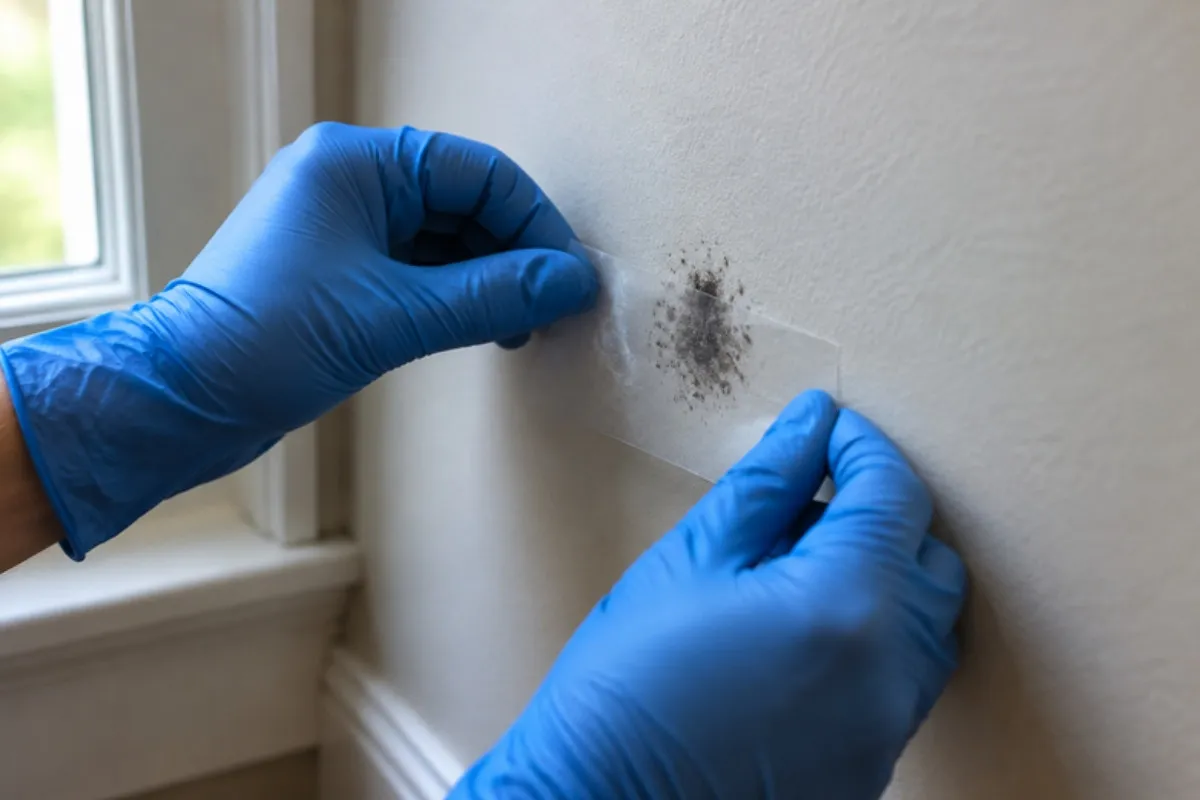
Often it is, if the source of a smell is unclear. New Caney grew up along Caney Creek in unincorporated Montgomery County, about 30 miles from Houston, and the heavy rain of May 2024 flooded the Lake Houston area, with New Caney residents sent to the Montgomery County Disaster Recovery hotline for help. Drywall, insulation and cabinet bases that stayed wet more than a day or two are the places EPA says to assume mold. An assessor checks those areas with a moisture meter first. Air samples from the affected rooms, compared with outdoor air, then show whether spores are elevated inside; a swab identifies growth on a specific surface. If readings say a cavity is still wet, opening it matters more than any lab number.
How do I know the person testing is qualified?
In Texas, anyone you pay to inspect or test for mold must hold a TDLR mold assessment license, unless an exemption applies. Ask for the license number, check it on TDLR's license search, and expect to receive TDLR's Consumer Mold Information Sheet before work begins. If the results point to remediation, that assessor writes a protocol describing the areas, materials, containment and clearance criteria, and Texas law requires a different company to do the removal.
Will I need county permits for repairs afterward?
Possibly. New Caney has no city government, so the Montgomery County Permit Department, part of Environmental Health in Conroe with a separate East Montgomery County phone line, handles development permits. The county's FAQ says substantially damaged structures in the floodplain require a Development Permit. Montgomery County floodplain rules identify special flood hazard areas, some designated floodways, and aim partly to make sure buyers learn when a property sits in one. Call the county before rebuilding flood-damaged rooms.
One more New Caney note
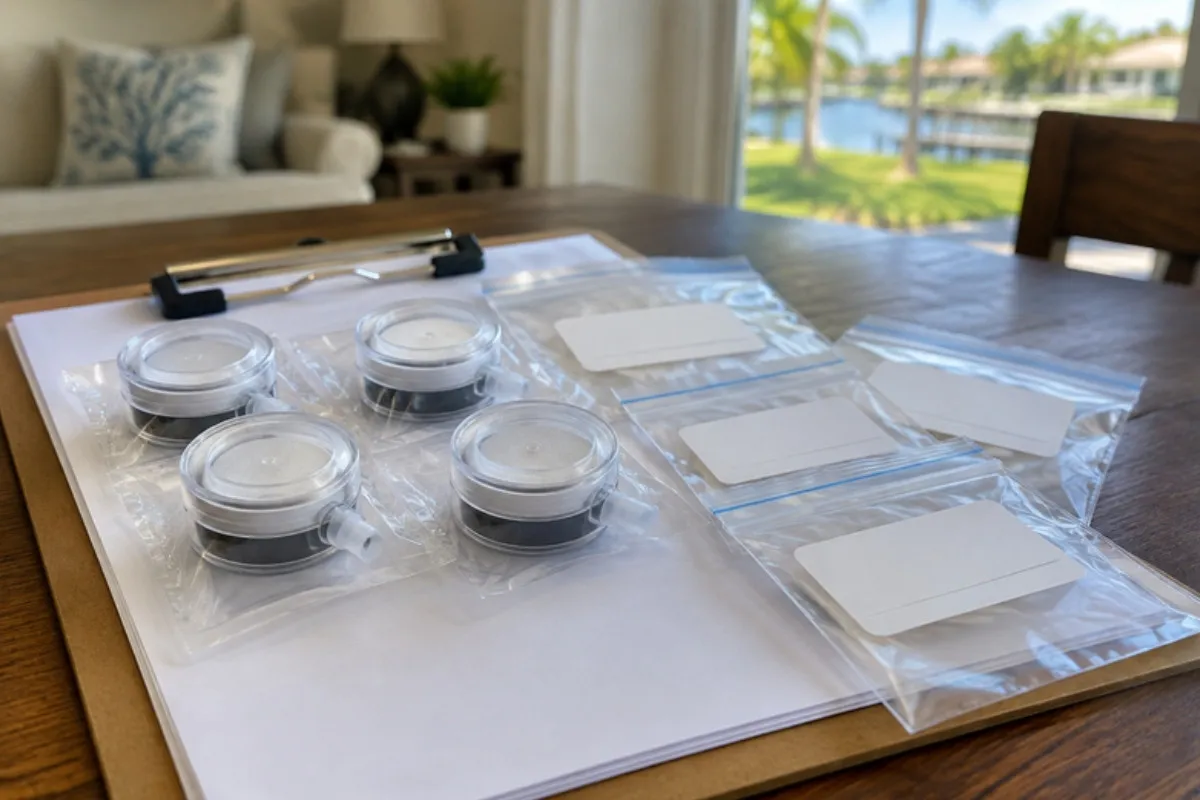
The Montgomery County Public Health District doesn't list mold or housing conditions among the complaints it takes, though after Harvey it pointed residents to mold cleanup tips through its storm resources page. Testing here is arranged privately. Angi's Houston cost data reports inspection and testing averaging $453, usually $355 to $563, before any removal work.
Mold Testing questions in New Caney
Will Montgomery County test my home for mold?
Is testing worth it after water got into the house?
Why does the tester take a sample outdoors?
Can the company that tests my home also remove the mold?
More mold services in New Caney
Mold Testing nearby
Sources
- EPA: Homeowner's and Renter's Guide to Mold Cleanup After Disasters (pdf)
- EPA: Mold Information Slideshow (testing and sampling)
- TDLR: Mold Assessors and Remediators FAQs
- TDLR: Consumer Mold Information Sheet (pdf)
- TDLR: License Search
- Angi: Compare Quotes from Mold Inspectors & Testing Services (Houston, TX)
- Montgomery County Public Health District: Report Public Health Complaints (pdf)
- Montgomery County Public Health District: Flooding and Storm Resources
- Montgomery County: Floodplain Administration
- Montgomery County Permit Department: FAQ
- Community Impact: Recovery begins for Lake Houston-area property owners (May 2024)
- Wikipedia: New Caney, Texas
Last updated: