A mold inspection in Pearland is a hands-on assessment by a TDLR license holder who measures moisture, checks for growth and documents the results in writing. If removal is needed, the inspector writes the plan and a different company carries it out. Call the number on this page to be connected with a local mold inspector in Pearland.
What happens when you call
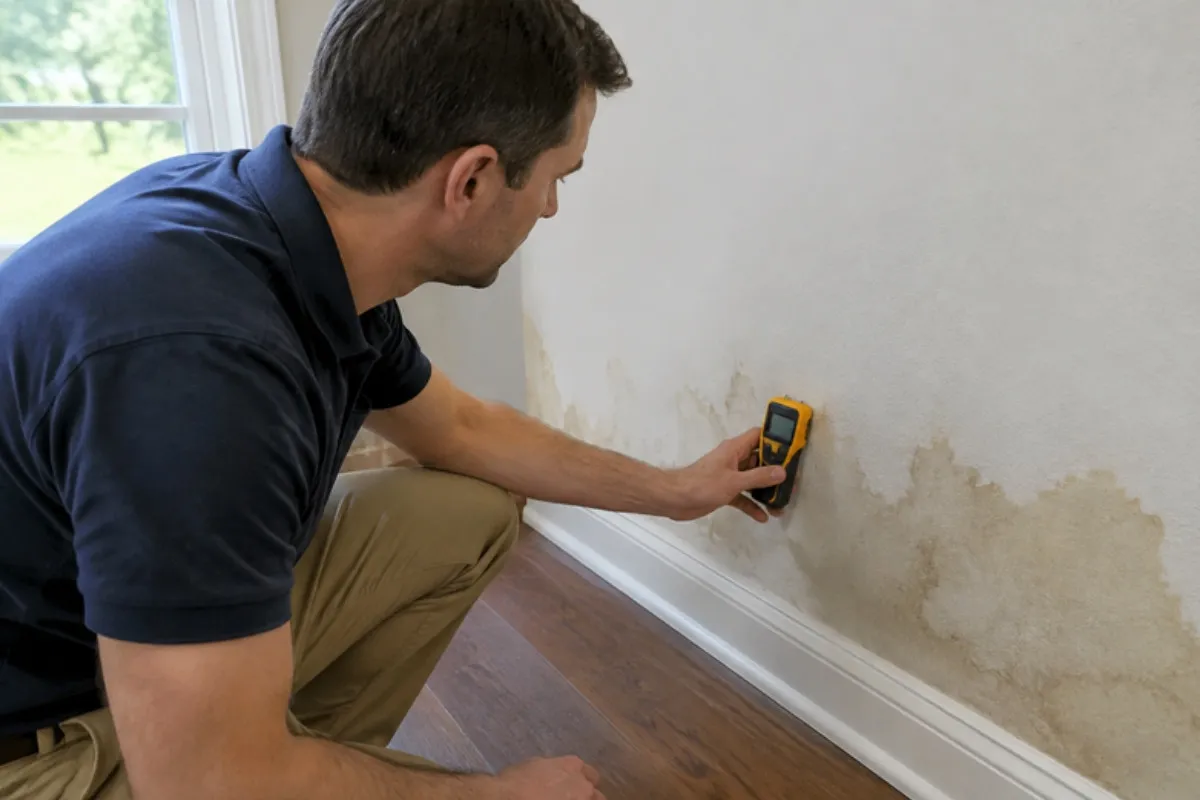
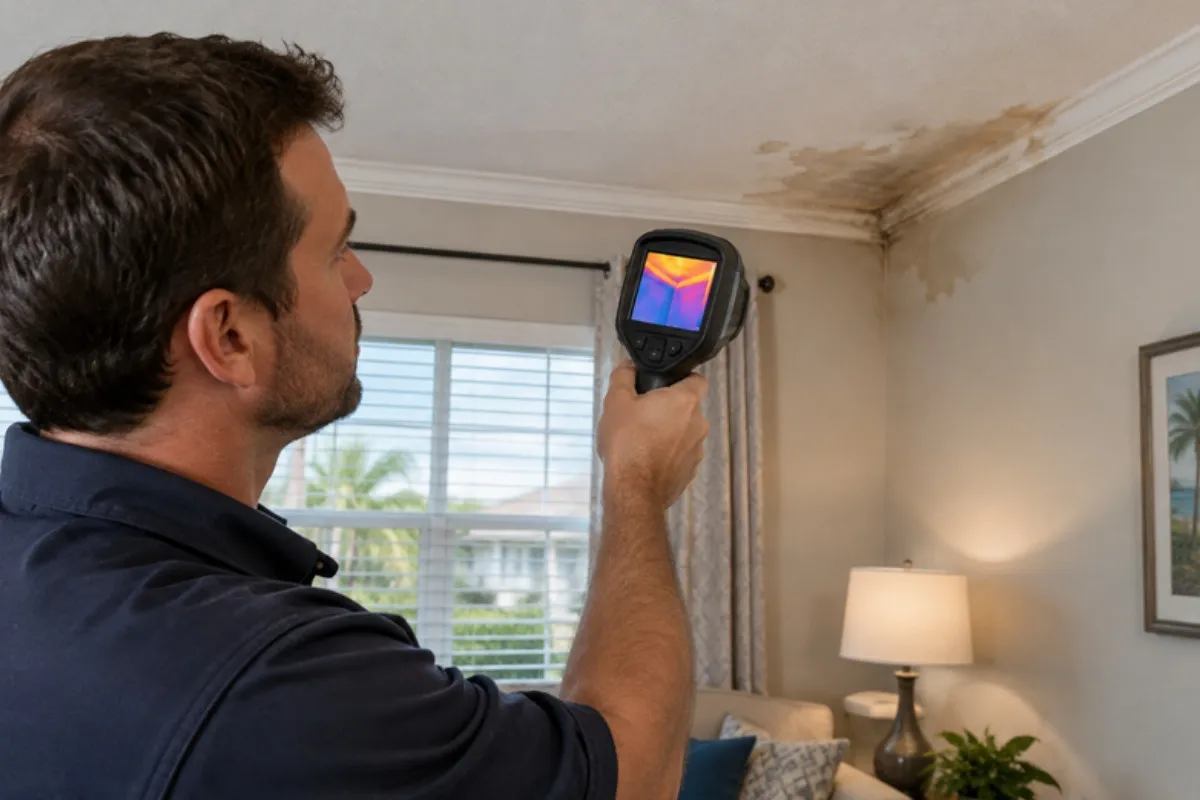
You explain what you are seeing and where, and you are connected with an independent local company that does mold assessment. Ask for its TDLR license number and check it on TDLR's license search; you should also receive TDLR's Consumer Mold Information Sheet before mold work begins. On site, the assessor reads moisture along walls and floors, opens the AC return, checks the attic and inspects plumbing walls and windows. You get a written report. If remediation is needed, the consultant writes a protocol with the areas, amounts of material, containment and clearance criteria.
What drives the cost
- Square footage and stories. A large two-story home takes longer.
- Flood history. A house that took water may need readings in every room.
- Sampling. Air and surface samples add lab fees; EPA notes there are no federal limits for spores, so each one should answer a specific question.
- Benchmarks. Angi's Houston cost data reports inspection and testing averaging $453, usually $355 to $563.
- The second company. Texas law means removal is priced separately by a remediation company.
Local conditions in Pearland
Pearland is a large suburban city about 17 miles south of Houston, mostly in Brazoria County with portions in Fort Bend and Harris counties. It began as a farming community with pear and fruit orchards, and former rice fields filled with subdivisions from the 1990s on. Clear Creek runs through the city and crosses Hwy. 288. During Hurricane Harvey, rains caused 500-year flood events along Clear Creek at Hwy. 288, and a preliminary estimate put about 1,000 Pearland homes underwater; Clear Creek Estates was the first neighborhood to see debris removed. Homes that flooded then should get a close look at lower walls, cabinets and flooring. Elsewhere, humid air, attic ducts and drain pans are the usual sources.
After remediation, any remodeling or repair to an existing structure needs a construction permit from Pearland's Permits and Inspections Division in Community Development. Renters can take unrepaired leaks to the city's Code Compliance staff.
Checklist before the inspector arrives
- Leave visible mold as it is.
- Turn off the AC if you suspect the ducts.
- Collect flood photos, repair invoices and insurance letters.
- Clear access to the attic, AC closet and water heater.
Mold Inspection questions in Pearland
Will Brazoria County inspect my home for mold?
Is an inspection worth it after water got into the house?
What can a renter in Pearland do about mold?
Will insurance pay for the inspection?
More mold services in Pearland
Mold Inspection nearby
Sources
- EPA: Mold Information Slideshow (testing and sampling)
- EPA: Homeowner's and Renter's Guide to Mold Cleanup After Disasters (pdf)
- TDLR: Mold Assessors and Remediators FAQs
- TDLR: Consumer Mold Information Sheet (pdf)
- TDLR: License Search
- Tex. Occ. Code 1958.151: Scope of Work Analysis
- Angi: Compare Quotes from Mold Inspectors & Testing Services (Houston, TX)
- Tex. Prop. Code 92.052: Landlord's Duty to Repair or Remedy
- TexasLawHelp: Mold and Renter's Rights in Texas
- 16 Tex. Admin. Code 78.150: Photographs; Certificate of Mold Damage Remediation; Duty of Property Owner
- Brazoria County Health Department
- Brazoria County Environmental Health: Disaster Resource Information
- Community Impact: Hurricane Harvey rains bring destruction to Pearland and Friendswood
- City of Pearland: Permits
- City of Pearland: Code Enforcement
- Wikipedia: Pearland, Texas
Last updated: