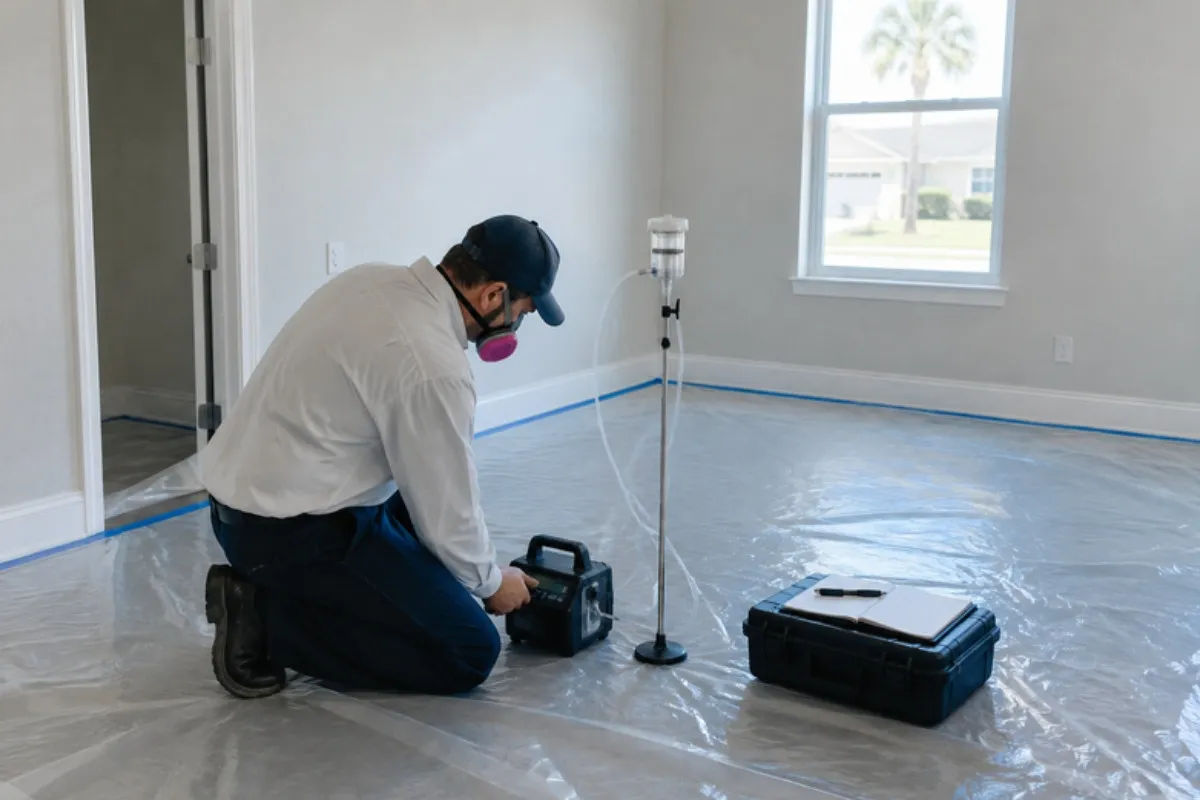
Clearance testing in Baytown is the post-remediation assessment that Texas requires on a mold project, done by the same consultant who wrote the protocol and never by the removal company. The consultant confirms the area is free of visible mold and wood rot and meets the written criteria. Call the number on this page to be connected with a local mold inspector in Baytown.
What happens when you call
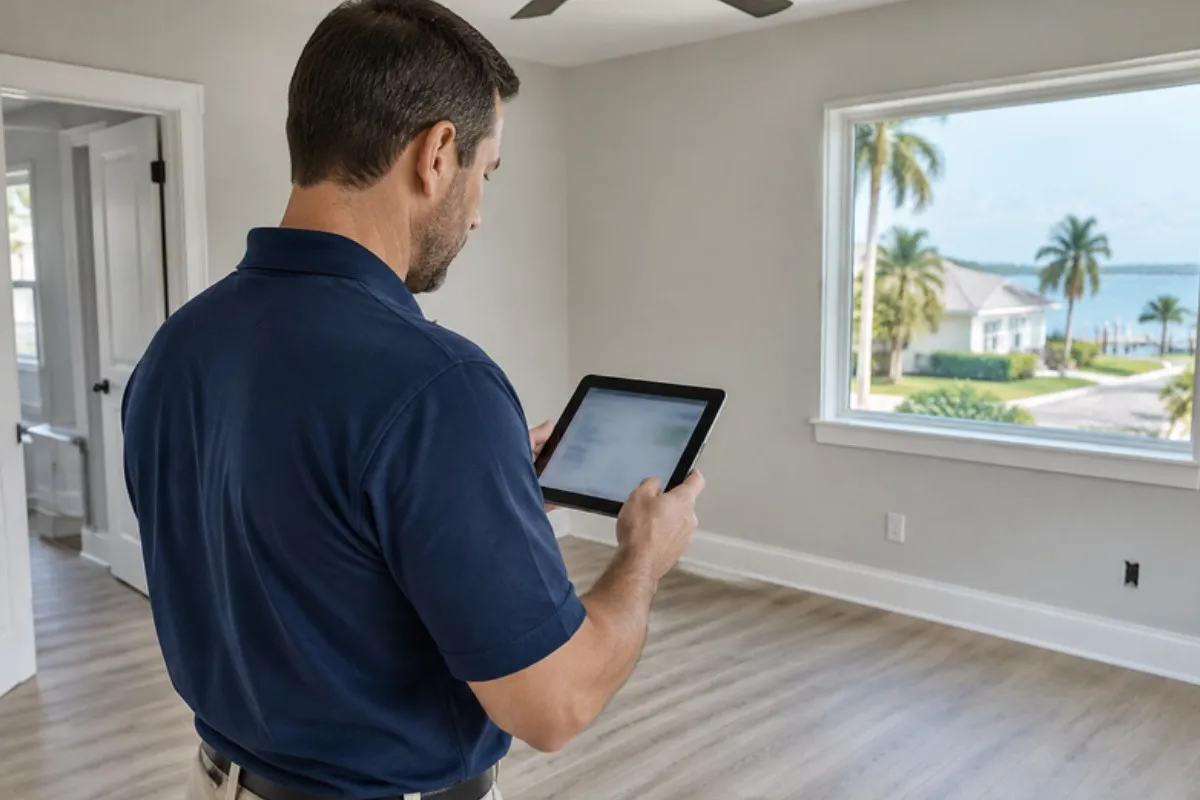
You'll be asked where the mold was, whether remediation has started, and whether a mold assessment consultant already wrote a protocol for the job. That last answer matters most. Under TDLR rules, a consultant who did not prepare the protocol before remediation cannot declare clearance afterward. If no consultant has been hired yet, you can be connected with one now so the plan, the work and the final check all line up. If the job is already done without a protocol, ask the consultant what kind of written assessment is still possible for your situation.
What drives the cost
- Number of work areas. A single bathroom wall takes less time to assess than three rooms and a hallway.
- Sampling in the protocol. Some clearance criteria call for air or surface samples sent to a lab; each one adds a fee.
- Return trips. If the area fails, more remediation follows and the consultant has to come back.
- Two separate companies. Texas keeps assessment and removal apart on one project, so expect one bill from the consultant and another from the remediation contractor.
For a reference point, Angi's Houston cost data lists typical mold inspection and testing at $355-$563. Ask whether the clearance visit is built into the protocol price.
Local conditions in Baytown
Baytown, about 29 miles from downtown Houston and mostly in Harris County with a portion in Chambers County, is bordered by water on three sides: Galveston Bay to the south and west and Cedar Bayou to the east, with Goose Creek and the Houston Ship Channel close by. Flat ground and the nearby bay make flooding a recurring problem, and groundwater pumping caused severe subsidence in low areas such as the Brownwood subdivision. Carla, Alicia, Ike and Harvey are named as the four most damaging storms to hit the city.
After clearance, rebuilding goes through the City of Baytown's Building Services Division Permit Center. Substantial improvements in flood hazard areas need floodplain review. Renters with leaks a landlord hasn't fixed can contact Baytown Code Enforcement, which also licenses multifamily and manufactured home parks and links tenant rights information.
Before the consultant arrives
- Have the protocol and the contractor's work plan ready to compare against.
- Leave containment in place until the consultant says otherwise.
- Keep the AC off in the work area if the system may be contaminated.
- Note any spot where you still smell must or see staining.
Post-Remediation Clearance Testing questions in Baytown
Can I bring in a new assessor just for the final check?
What happens if the work area fails clearance?
Does a CMDR mean my insurer has to cover mold?
I rent and the landlord says the mold was handled. What can I ask for?
More mold services in Baytown
Post-Remediation Clearance Testing nearby
Sources
- Wikipedia: Baytown, Texas
- City of Baytown: Permit Floodplain Information (pdf)
- City of Baytown: Building Services
- TDLR: Mold Assessors and Remediators FAQs
- Angi: Mold inspection and testing cost in Houston, TX
- EPA: Mold Cleanup in Your Home
- TDLR: Consumer Mold Information Sheet (pdf)
- Tex. Prop. Code 92.052: Landlord's Duty to Repair or Remedy
- TexasLawHelp: Mold and Renter's Rights in Texas
Last updated: